Release timing
Separate the planned production completion from the time freight will be packaged and available to load.
Industries
Coordinate inbound components and outbound finished goods around production readiness, freight size and receiving windows. Prisma Freight reviews transportation and storage options for the actual shipment.
Manufacturing
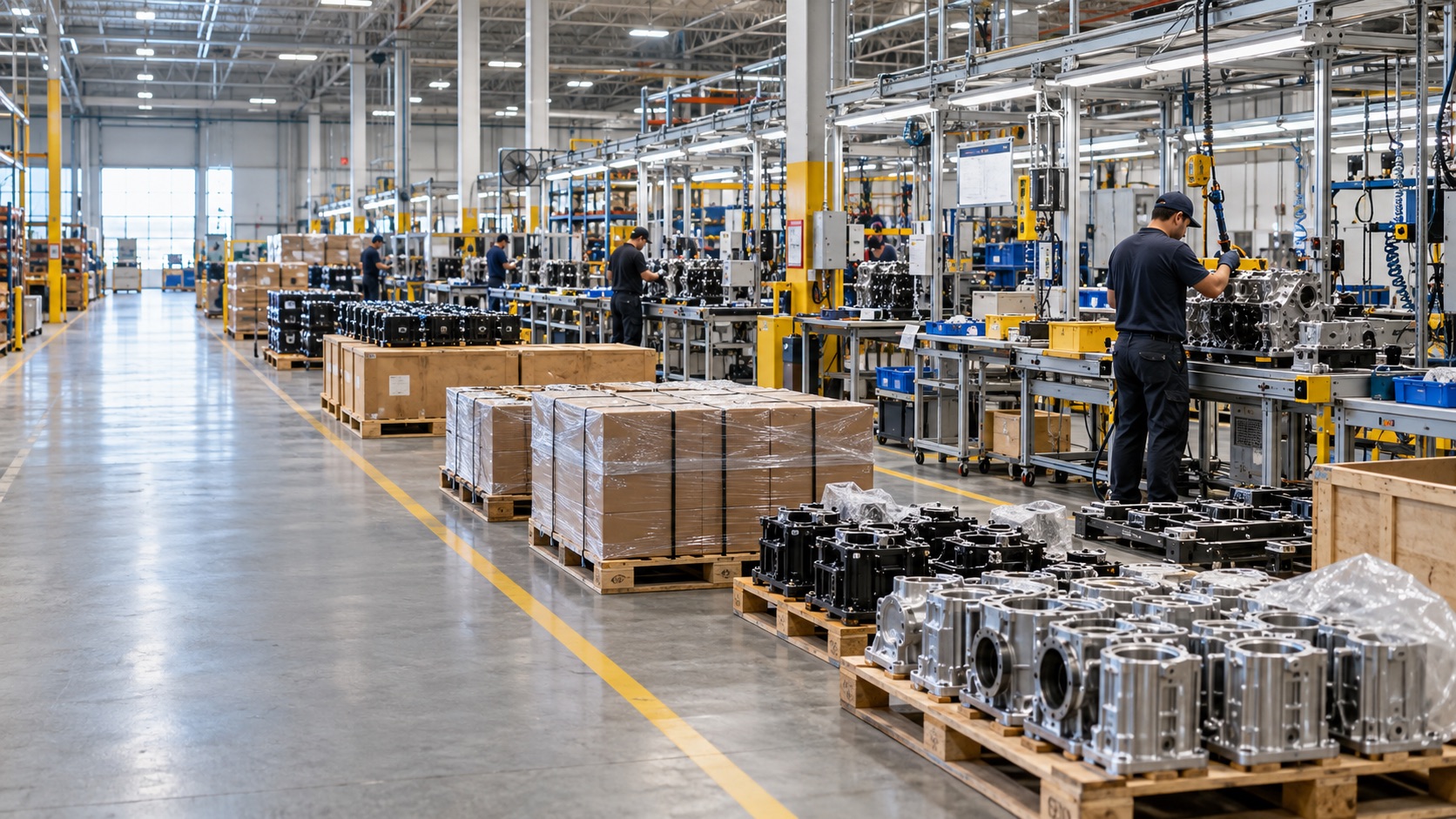
A component delivery, a packaging replenishment and a finished-product dispatch can require different equipment and receiving arrangements. Share what is ready to ship, the loading conditions and the point at which the cargo is needed, rather than relying on a production date alone.
Freight Challenges
Separate the planned production completion from the time freight will be packaged and available to load.
Provide the actual packaged dimensions and weight, including fixtures, skids and protective materials.
Confirm dock availability, vehicle access and the receiving shift responsible for unloading.
Align pickup references and cargo readiness when a movement connects different origin locations.
Related Transportation Services
Review dedicated trailer capacity for larger material movements or a load that needs a defined pickup-to-delivery plan.
Explore Full Truckload →Evaluate palletized components and smaller replenishment loads using the actual package profile and access requirements.
Explore Less Than Truckload →Connect supplier and plant locations across a border with appointed broker contacts and documentation readiness.
Explore Cross-Border Transportation →Review storage or transfer arrangements when freight readiness and the production receiving window do not align.
Explore Warehousing →Shipment Planning
Inbound freight may depend on supplier packing and plant acceptance; outbound freight may depend on production inspection, packaging and customer receiving. Treat each release as a separate milestone, with a responsible contact and usable loading window.
Operational Considerations
Identify fragile surfaces, lifting points, skid construction and any prohibition on stacking.
Provide purchase order or delivery references required by the plant.
Confirm the forklift, dock or lifting arrangement at each end.
Communicate production changes before equipment or receiving appointments are committed.
FAQ
Provide locations, cargo description, packaged dimensions, weight, freight-ready time, loading access and the receiving window. Include any non-stackable or special handling instructions.
LTL may suit smaller palletized loads when packaging, handling requirements and receiving access fit the available carrier network. Review the shipment profile rather than selecting solely by pallet count.
Cross-border transportation can be reviewed for the requested lane. Identify the importing and exporting parties and the appointed customs broker; transportation coordination does not replace customs clearance.
Related Industries
Review machinery, fabricated components and industrial materials by their packaged size, weight and handling requirements. Match the transportation plan to the cargo and the facilities at both ends.
Explore Industrial →Plan parts, assemblies and production-related freight around cargo readiness and plant receiving requirements. Review timing, equipment and cross-border handoffs before selecting transportation.
Explore Automotive →Review packaged products, carton and pallet profiles, inbound transportation and inventory handoffs. Prisma Freight coordinates relevant freight and warehouse options around the shipment scope.
Explore Consumer Goods →Let's Move Forward
Tell us what you are moving, where it needs to go and when it is ready. Include the handling and receiving requirements so our team can review the transportation scope.