Packaged and palletized freight
An enclosed trailer provides a practical setting for cartons, cases and palletized goods that do not need refrigeration or open-deck loading.
DOMESTIC FREIGHT
Enclosed trailer transportation for palletized and packaged general commodity freight.
Dry Van
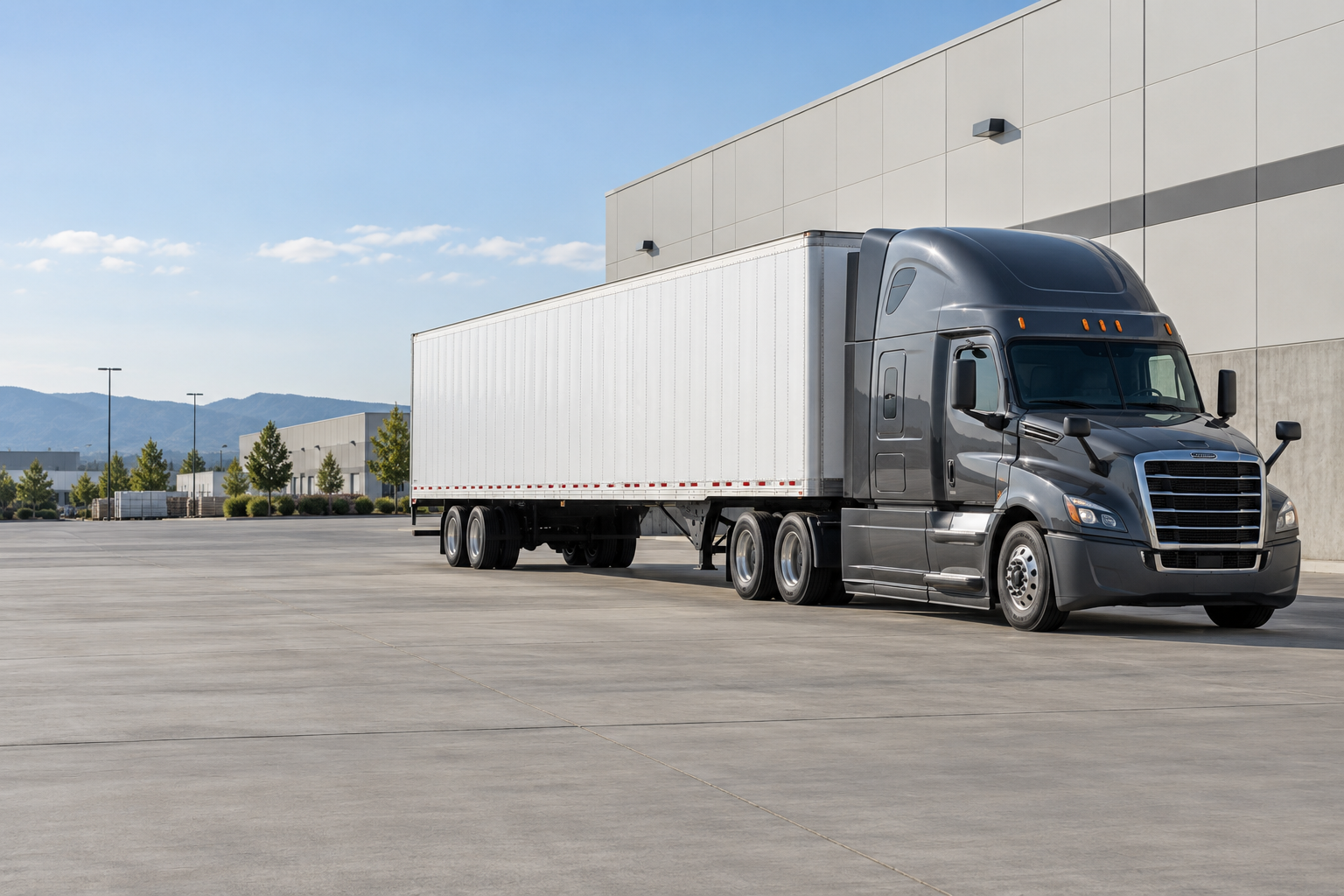
Dry van freight services move packaged and palletized goods in an enclosed trailer. The trailer shields freight from rain, road spray and direct exposure during transit, but it does not provide active temperature control. Prisma Freight coordinates the shipment around the commodity, loading conditions and delivery requirements, with equipment selected based on available capacity.
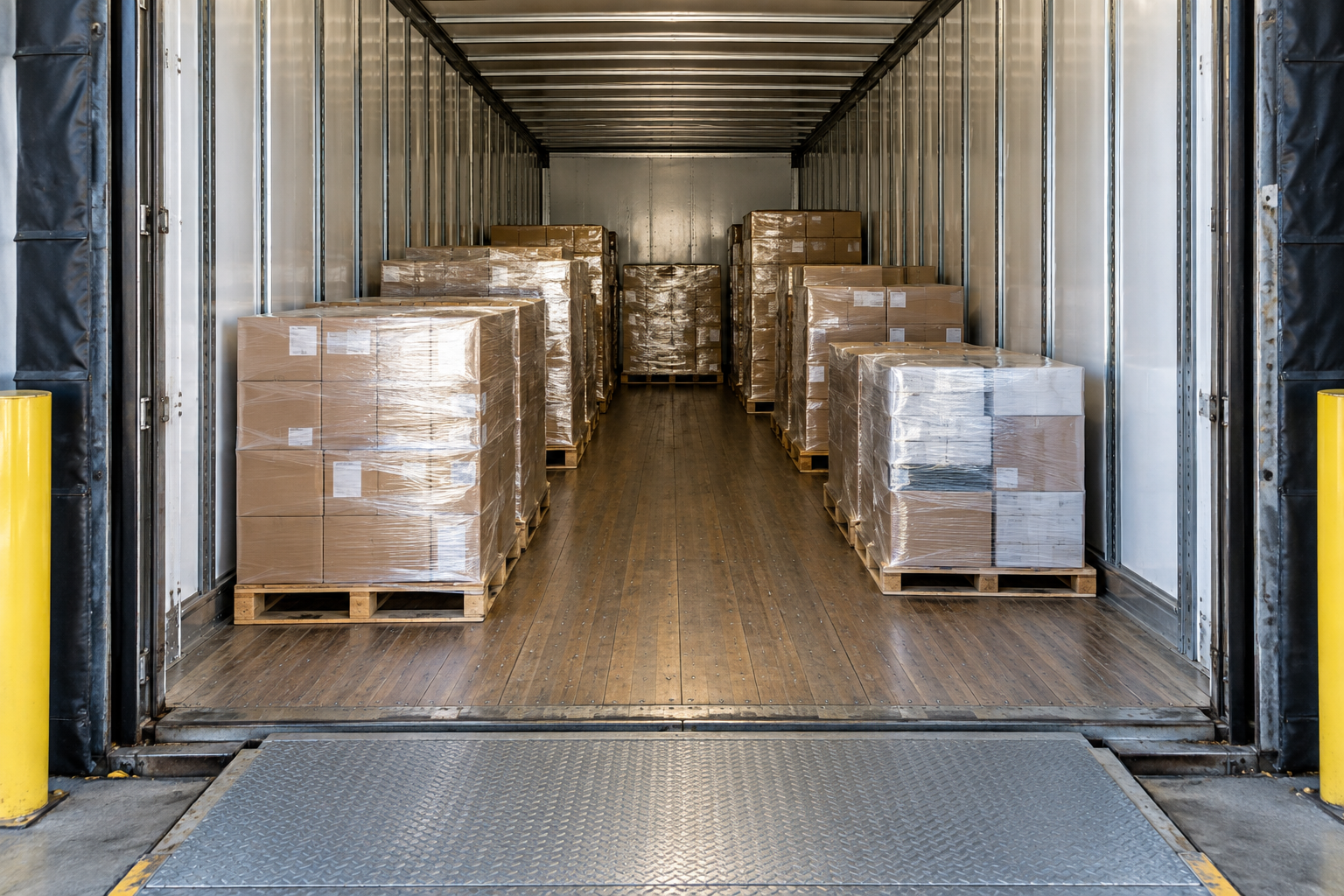
An enclosed trailer provides a practical setting for cartons, cases and palletized goods that do not need refrigeration or open-deck loading.
Dock-to-dock planning helps align trailer access, pickup readiness and receiving appointments before the shipment moves.
Match the transportation plan to ordinary packaged freight rather than selecting specialized equipment the load does not require.
Choose dry van for general commodities that fit inside an enclosed trailer and can travel without active temperature control.
Check whether the shipper and receiver can load and unload the planned trailer. Identify appointments, site access and any special handling needs.
Consider freight dimensions, weight, packaging and cargo compatibility. If loading access or temperature needs change, a different equipment type may be appropriate.
Provide the commodity, pallet count, packaged dimensions and total weight. Identify non-stackable freight and any handling restrictions before equipment is selected.
Confirm dock access, loading method, operating hours and delivery appointments. The shipment should be packaged and ready for the agreed pickup.
Standard 53-foot dry vans are commonly used for general freight. The actual trailer and usable space must be confirmed for the load; temperature-sensitive or unusually shaped freight may need another option.
Share the origin, destination, commodity, pallet count, dimensions, weight and requested pickup and delivery timing.
Review loading access, freight compatibility, trailer needs and receiving requirements with the Prisma Freight team.
Based on the agreed plan and available capacity, coordinate equipment and pickup with the shipper.
Keep communication connected through delivery, including changes to appointments or unloading conditions.
Dry van transportation connects general-freight origins and destinations using enclosed equipment. Share the commodity, packaging, loading access and requested schedule so Prisma Freight can review the lane and available capacity for your shipment.
Dry van can support retail replenishment, consumer goods, manufacturing supplies and packaged cosmetics that do not require temperature control. Enclosed transportation connects finished goods and packaging materials with the next production, distribution or receiving location.
Explore Health & Beauty freightWork with a logistics partner who brings the shipper's instructions and the receiver's requirements into the same conversation.
Prisma Freight aligns commodity details, trailer selection, loading readiness and appointment requirements around the shipment.
When pickup readiness or delivery conditions change, keep the transportation plan and the people involved connected.
Dry van is suited to freight that needs an enclosed trailer but not active temperature control. Packaged general commodities and many palletized loads fit this category.
Reefer equipment is appropriate when the product requires a controlled environment. Flatbed or other open-deck equipment may fit freight that cannot be loaded or carried inside an enclosed trailer.
Explore refrigerated freightFAQ
Packaged consumer goods, cartons, palletized products and manufacturing supplies can be suitable when they fit the trailer and do not require active temperature control. Commodity compatibility, dimensions, weight and loading requirements must be reviewed for each shipment.
No. A standard dry van encloses the freight and protects it from direct weather exposure during transit, but it does not actively maintain a temperature. Share any environmental requirements so the team can evaluate refrigerated transportation instead.
Send the origin, destination, commodity, pallet count, packaged dimensions, total weight and requested dates. Include dock access, loading method, appointments and any shipment restrictions so the transportation plan reflects the actual conditions.
Continue exploring

When your shipment needs the space and focus of a dedicated trailer, Full Truckload keeps freight moving directly from pickup to destination with fewer handling points along the way.
Explore ↗Domestic Freight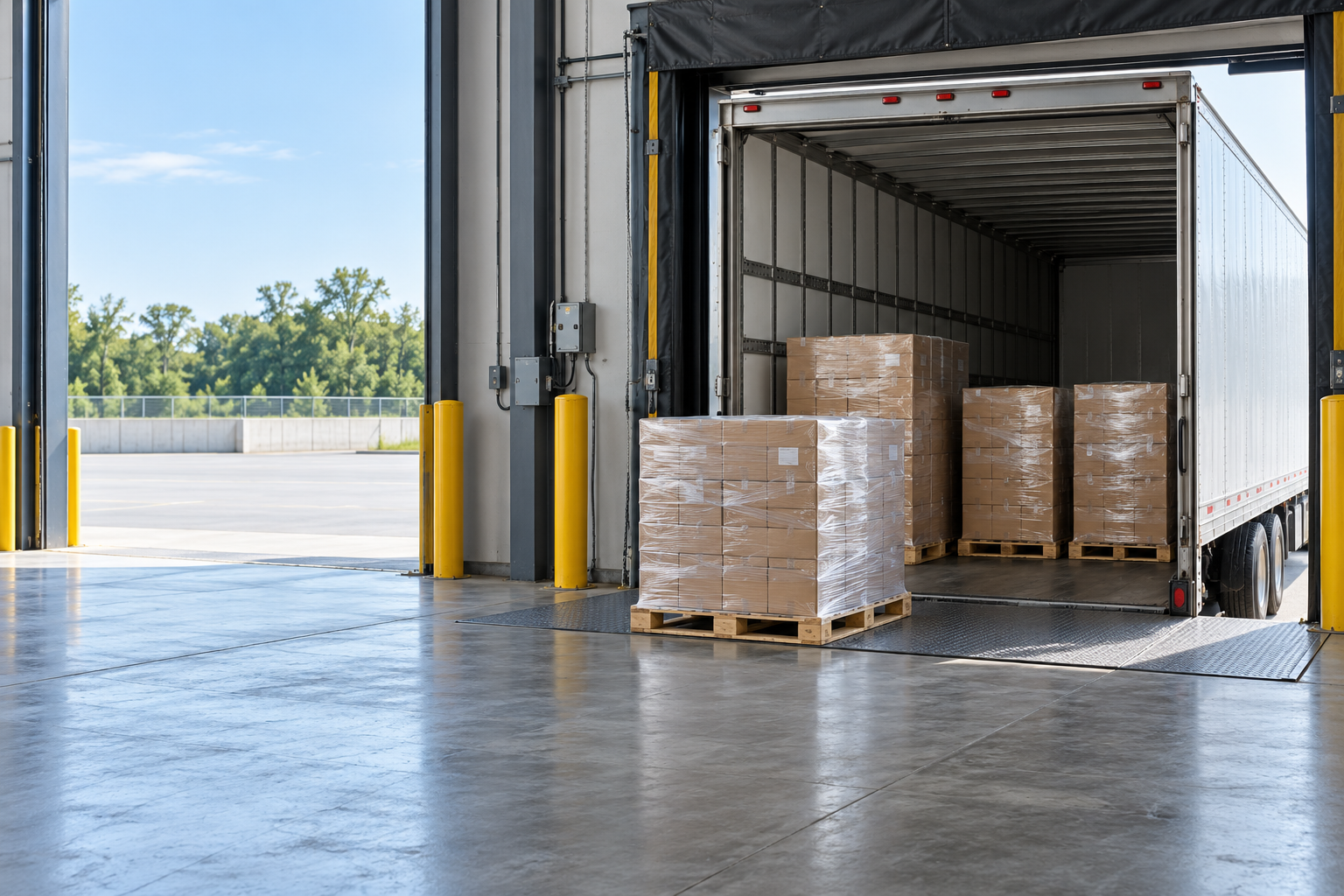
Transportation for smaller palletized shipments that do not require a dedicated trailer.
Explore ↗Domestic Freight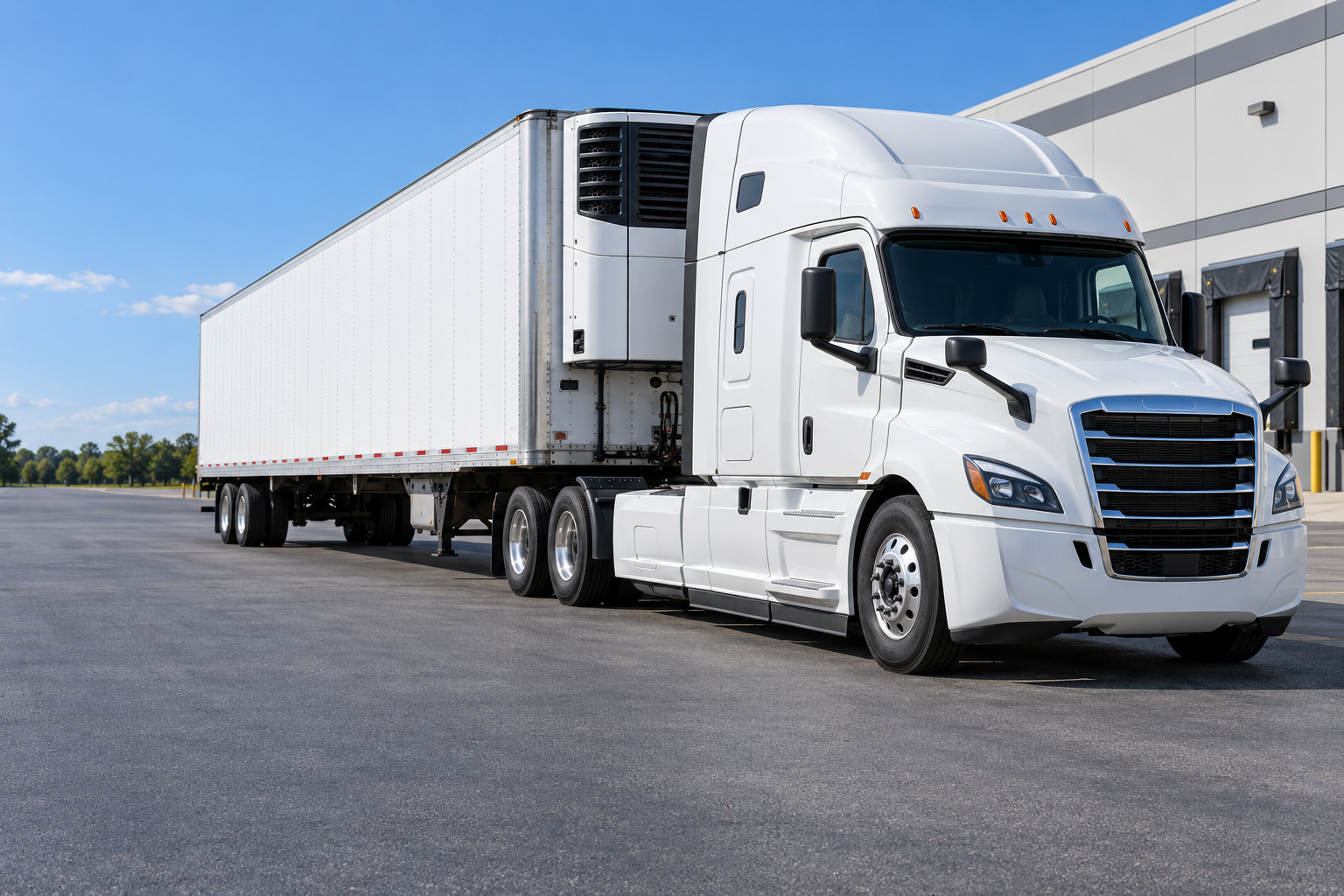
Refrigerated and temperature-controlled transportation planned around your shipment’s requirements.
Explore ↗Domestic Freight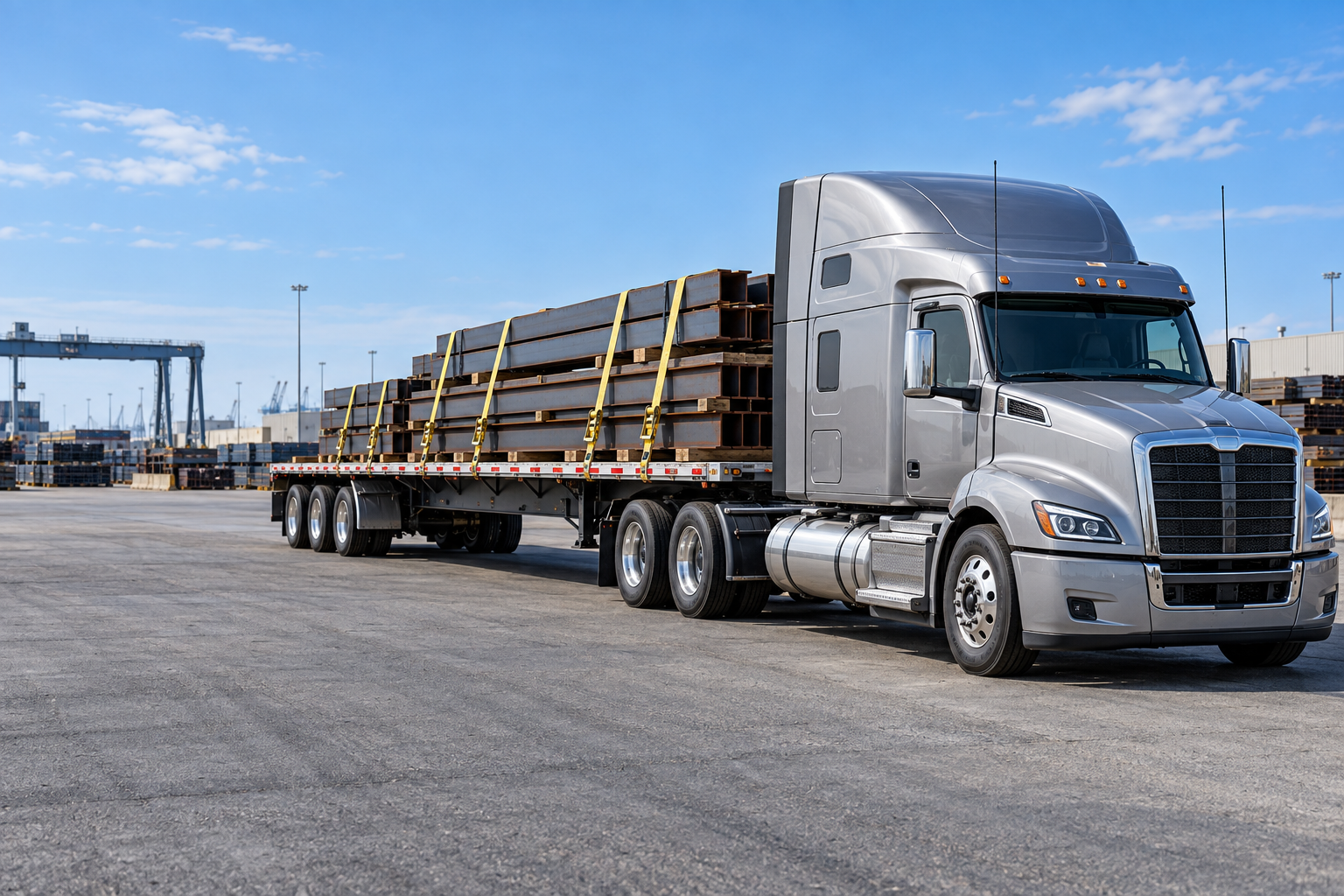
Open-deck transportation for oversized, irregular and specialized freight requirements.
Explore ↗Domestic Freight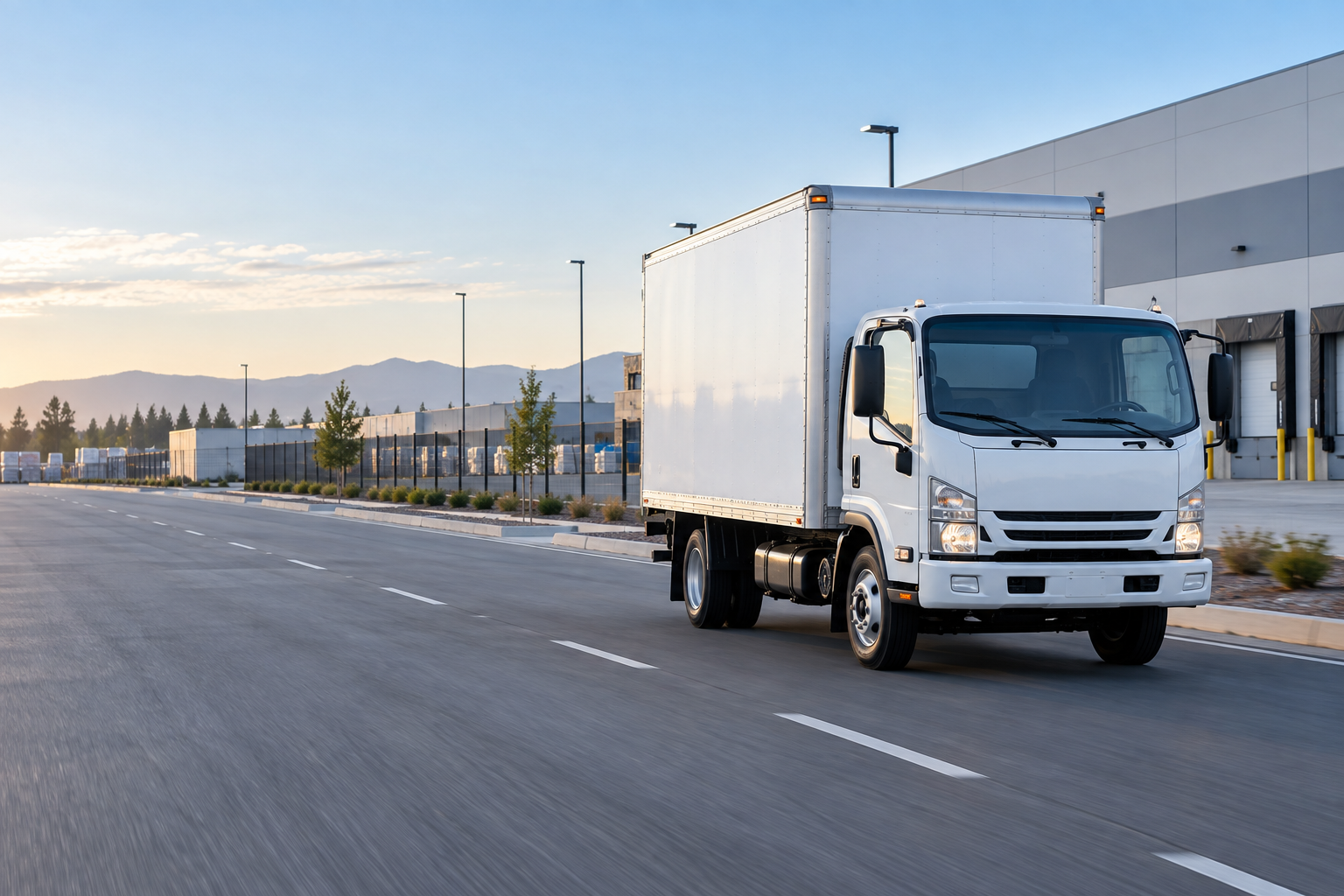
Freight coordination for urgent shipments with time-critical pickup and delivery requirements.
Explore ↗Let’s move forward
Share your commodity, shipment size, locations and schedule. Prisma Freight can help coordinate enclosed transportation around the load and the available capacity.