Dedicated container capacity
Use a container allocated to the shipment, with the loading arrangement reviewed around its cargo profile.
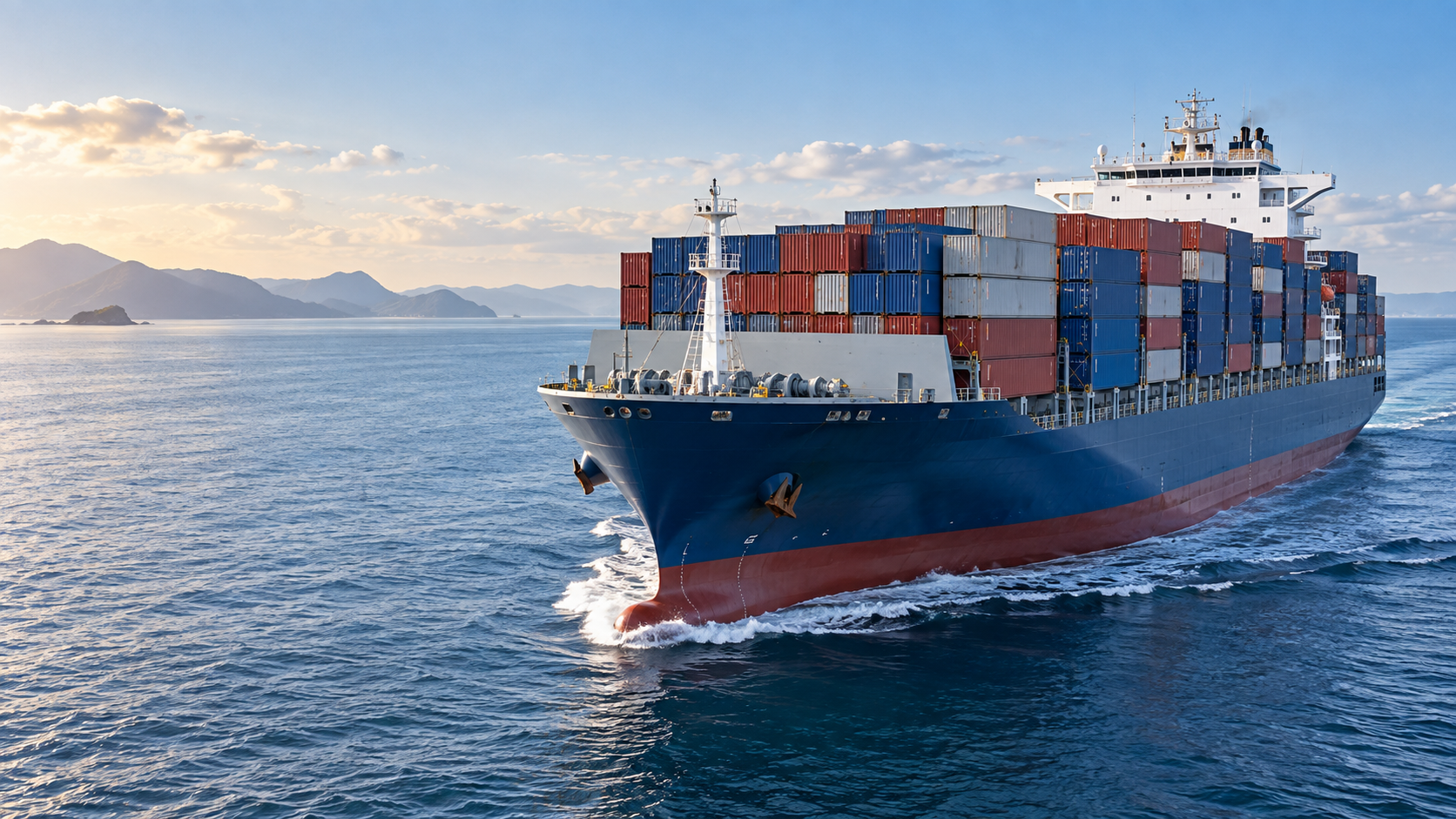
Ocean Freight
Plan full container load freight around your cargo, import or export scope and inland connections. Dedicated container capacity keeps the container plan focused on one shipment.
FCL — Full Container Load
Full Container Load (FCL) reserves container capacity for one shipment rather than combining it with other shippers' cargo. The container does not have to be filled completely for FCL to make operational sense.
Cargo volume, weight, dimensions and handling requirements help determine the equipment and loading plan. Prisma Freight coordinates the transportation scope and the contacts needed to connect origin, ocean transit and the final receiving location.
Explore Ocean Freight →Use a container allocated to the shipment, with the loading arrangement reviewed around its cargo profile.
Clarify port-to-port, door-to-port, port-to-door or connected door-to-door transportation before comparing options.
Plan container positioning, drayage, unloading and equipment return alongside the sea leg.
Standard 20-foot and 40-foot container options can be evaluated where appropriate, but nominal length alone does not establish cargo fit. Confirm the actual usable dimensions, door opening, permitted load and availability for the proposed equipment.
Packaging, load distribution and the shipper's loading method matter alongside volume. Identify unusual cargo, handling restrictions or a possible need for different equipment before requesting the booking.
Compare shared container freight →Operational Requirements
Align cargo readiness, booking instructions and appointed documentation contacts with origin and destination requirements.
Confirm whether the container goes to the consignee or a transfer facility, plus access, unloading arrangements and the receiving appointment.
Identify terminal storage and equipment-use deadlines, applicable demurrage/detention terms and the responsible contacts. Confirm them for the actual booking; charges and rules vary.
Shipment Coordination
A connected FCL plan includes the inland tasks around the vessel movement. Port-only scopes cover only the agreed stages.
Review volume, weight, packaging, container requirements and port or door scope.
Align container positioning, loading readiness, document contacts and export cutoffs.
Coordinate release information, drayage and any planned transload or receiving appointment.
Confirm unloading completion and empty-return instructions within the applicable arrangements.
FAQ
No. FCL refers to dedicated container capacity, not a requirement to fill it completely. Compare cargo volume, handling needs, timing and the complete transportation scope against an LCL option.
Provide package dimensions, total volume, weight and loading requirements. Review actual usable space, door clearance, allowable load and equipment availability; do not select solely by the container's nominal length.
A requested FCL scope can connect origin pickup or container positioning, the sea leg and destination delivery, subject to review and available arrangements. Confirm inland responsibility, drayage, unloading and return requirements before booking.
Confirm the booking's applicable terminal storage and equipment-use terms, free-time deadlines, release readiness and empty-return instructions with the responsible parties. They vary by arrangement and should be reviewed before scheduling the inland move.
Let's Move Forward
Share cargo dimensions, weight and the import or export lane. Tell us whether you need port-only transportation or inland pickup and delivery so the FCL scope can be reviewed.