Pickup readiness
Confirm container identification, location, applicable releases and availability before arranging collection.
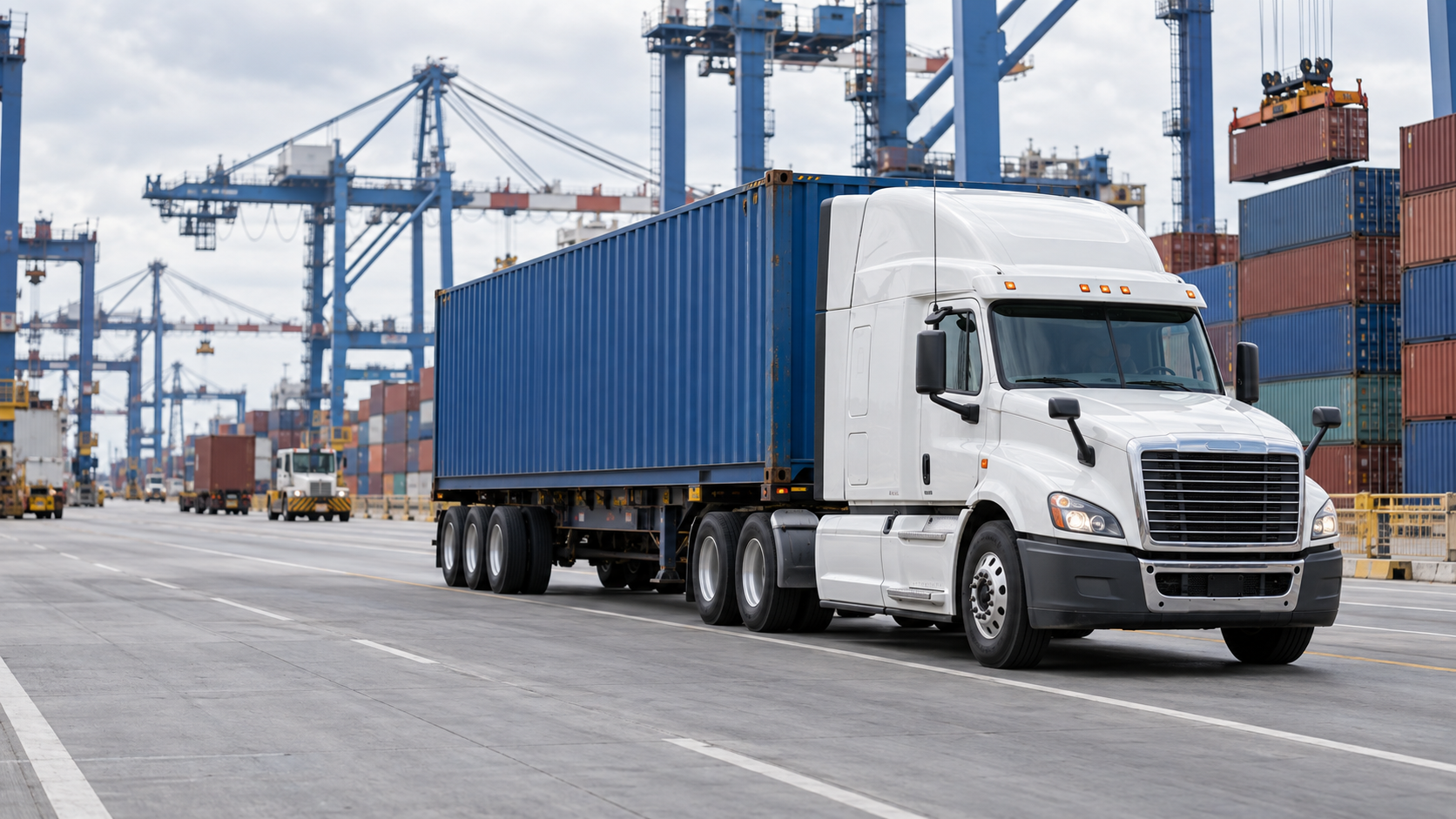
Ocean Freight
Coordinate container pickup, terminal or ramp handoffs, facility delivery and empty return. Bring release readiness, appointments and equipment requirements into the port transportation plan.
Drayage & Port Transportation
A container may arrive before it is available for collection. Terminal or ramp availability, release status, appointments and the receiving facility's schedule need to align before the inland move can be planned.
Prisma Freight coordinates port transportation around the shipment requirements and the parties responsible for release. The scope can connect the terminal with a warehouse, transload facility or consignee, with equipment and access reviewed for the actual move.
Explore Ocean Freight →Confirm container identification, location, applicable releases and availability before arranging collection.
Review receiving appointments, unloading methods and whether the container can be accommodated at the destination.
Identify the responsible contacts and return instructions instead of treating delivery as the last equipment milestone.
Terminal storage and equipment-use arrangements can involve different deadlines. Ask the responsible parties to confirm applicable free time, last-free-day information, appointment availability and empty-return requirements for the booking.
Plan receiving and unloading against those conditions, including any proposed transload. A deadline review supports coordination; it does not guarantee that charges can be avoided when release, terminal or operating conditions change.
Review full container load planning →Operational Requirements
Confirm the container location, pickup reference information, release contacts and appointment requirements at the applicable port terminal or inland ramp.
Evaluate direct facility delivery versus a cargo transfer to different equipment. Review container access, unloading needs, packaging and the next inland leg.
Coordinate completion of unloading with the instructed return location, receiving conditions and applicable equipment arrangements.
Shipment Coordination
Import-side drayage commonly connects these milestones. Export deliveries and ramp movements require their own cutoff and handoff review.
Review the container, terminal or ramp location, release status and applicable deadlines.
Coordinate collection and receiving availability with suitable equipment and site access.
Move to the agreed facility or transload location and confirm unloading requirements.
Follow the instructed return location and equipment handoff after unloading is complete.
FAQ
Provide the container number and size/type, weight, terminal or ramp, destination, release contacts and pickup availability if known. Include applicable deadlines, appointments, unloading method and empty-return instructions.
Not necessarily. Confirm discharge and pickup availability, applicable customs and terminal release requirements and appointment arrangements with the responsible parties before scheduling collection.
A transload may fit when the final destination cannot receive the container or the cargo needs different equipment for the next leg. Review handling, packaging, facility arrangements and outbound transportation before committing to the transfer.
Include return requirements in the agreed scope. Confirm unloading timing, the instructed return location, appointment or acceptance conditions and the responsible contacts; do not assume the empty can be returned anywhere.
Let's Move Forward
Share the container details, terminal or ramp, receiving location and known release or free-time information. Include unloading and empty-return requirements so the complete port move can be reviewed.