Temperature requirements
Start with the product's required transportation conditions so equipment selection reflects the shipment rather than an assumed temperature.
DOMESTIC FREIGHT
Refrigerated and temperature-controlled transportation planned around your shipment’s requirements.
Refrigerated / Reefer
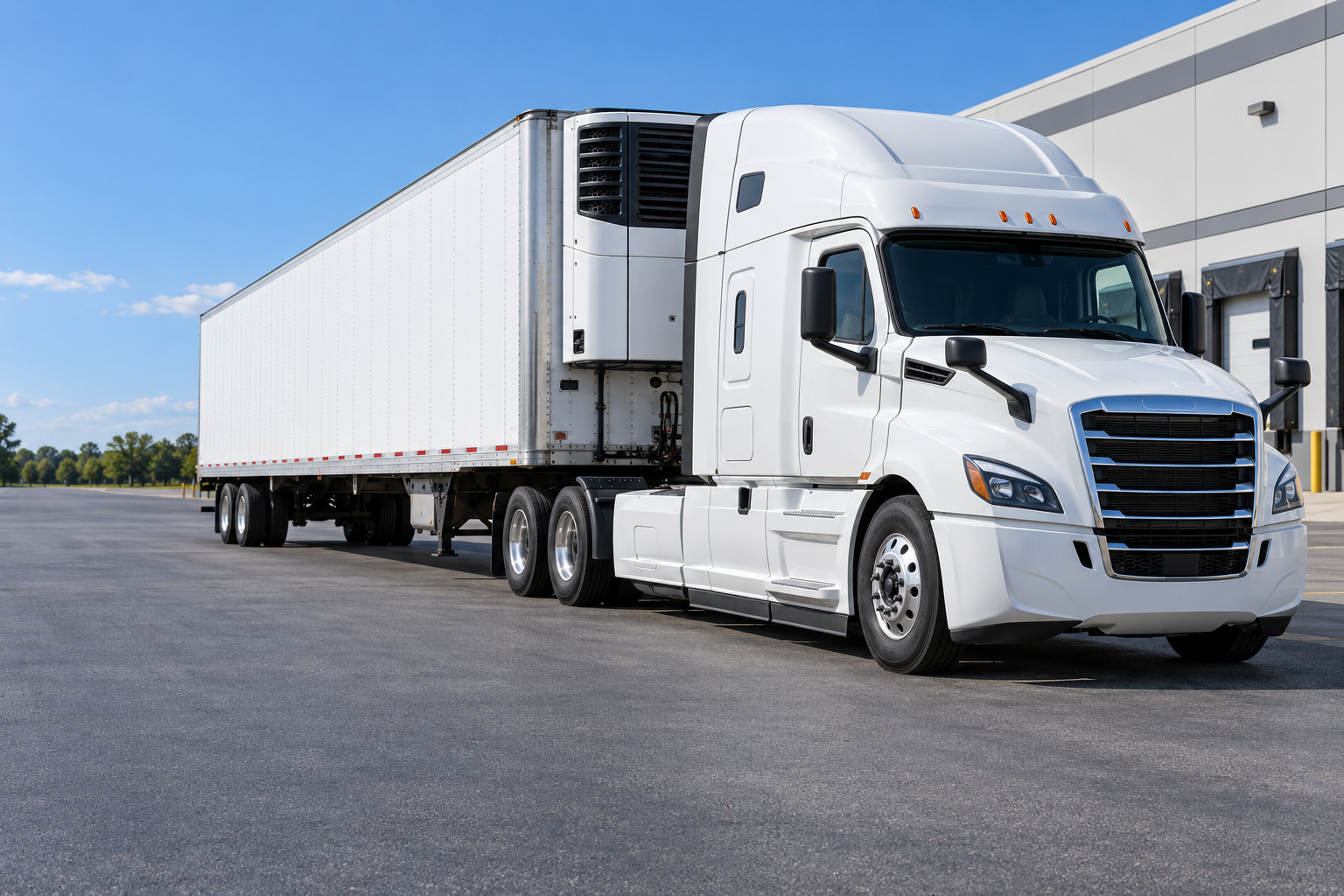
Refrigerated freight services are designed for products that need a specified transportation environment rather than an ordinary enclosed trailer. Reefer freight planning begins with the shipper's written temperature and handling requirements. Prisma Freight coordinates equipment and pickup and delivery details around those instructions, subject to shipment requirements and available capacity.
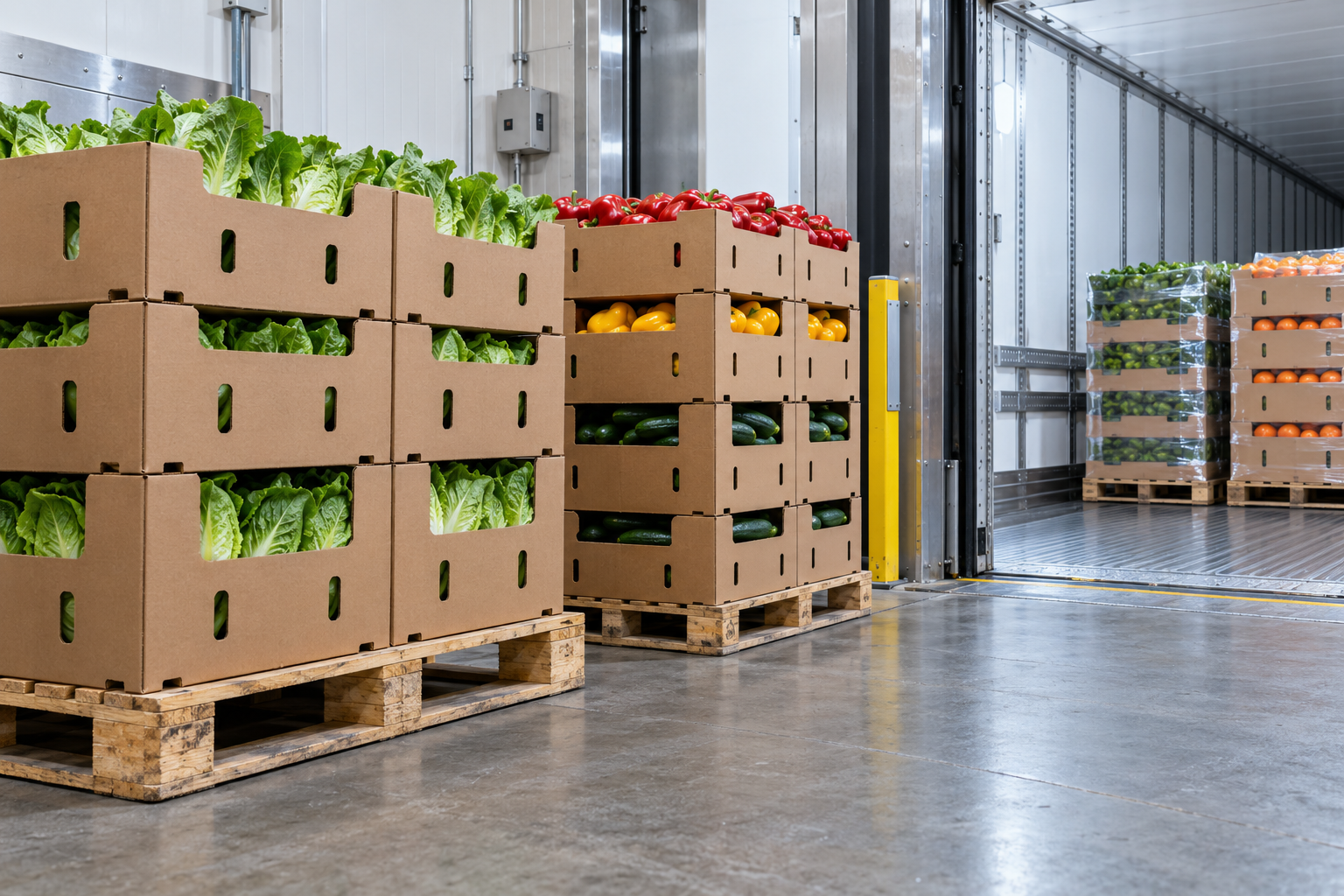
Start with the product's required transportation conditions so equipment selection reflects the shipment rather than an assumed temperature.
Coordinate loading readiness and receiving appointments to keep the shipping plan aligned with the product's handling instructions.
Identify reefer equipment requirements before pickup, giving the parties involved a shared understanding of the planned move.
Consider refrigerated transportation when perishable or temperature-sensitive freight must travel under specified conditions.
Provide written temperature instructions, handling limitations and receiving criteria. Do not assume that all products need the same environment.
Review loading readiness, planned equipment, pickup and delivery windows and any restrictions on mixing products in the same shipment.
Share the required set point or transportation range specified by the shipper, plus any operating instructions. The appropriate equipment and service must be confirmed before the move.
Confirm product readiness, loading conditions, dock access and receiver availability. Include any handling instructions that apply while freight is being loaded or unloaded.
Review product type, packaging, dimensions, weight and equipment needs during pre-trip planning. Special reporting or monitoring requests require confirmation; they are not assumed to be included.
Send the commodity, origin, destination, shipment size, schedule and written temperature requirements.
Review equipment needs, product readiness, handling instructions and pickup and delivery conditions before confirming the plan.
Coordinate the agreed equipment and loading appointment based on shipment requirements and available capacity.
Maintain communication through delivery and share changes affecting receiving appointments or shipment instructions.
A refrigerated freight lane needs to fit the cargo's written temperature instructions as well as pickup and delivery timing. Confirm the set point, pre-cooling needs where applicable, loading conditions and equipment availability when evaluating the origin-to-destination plan.
Perishable agricultural products, food shipments and other temperature-sensitive goods may require refrigerated transportation. The need for reefer equipment depends on the individual product and its written handling requirements, not simply the industry it belongs to.
Bring temperature instructions, shipper readiness and receiver requirements into the planning conversation before pickup.
Align equipment requirements and loading and receiving appointments around the product's specified transportation conditions.
Keep shipment instructions and appointment changes connected as freight moves toward the receiving location.
Reefer equipment is used when freight needs specified temperature-controlled conditions during transportation. The product's instructions determine the required environment and planning.
Dry van transportation can be appropriate for packaged freight that does not need active temperature control. An enclosed trailer alone should not be treated as a substitute for a required refrigerated environment.
Explore dry van freightFAQ
Use the product's written shipping and handling instructions. If it needs a specified temperature-controlled environment, discuss reefer transportation before booking. Product sensitivity, packaging and loading conditions should be reviewed; not every food or consumer product has the same requirements.
Provide the shipper's specified set point or transportation range, operating instructions and any handling restrictions. Also share loading and receiving conditions. Equipment suitability and any monitoring or reporting requests must be confirmed for the specific shipment.
Include the commodity, packaging, pallet count, dimensions, weight, origin, destination and schedule, along with written temperature requirements. Identify pickup and receiving appointments and any special handling instructions.
Continue exploring

When your shipment needs the space and focus of a dedicated trailer, Full Truckload keeps freight moving directly from pickup to destination with fewer handling points along the way.
Explore ↗Domestic Freight
Transportation for smaller palletized shipments that do not require a dedicated trailer.
Explore ↗Domestic Freight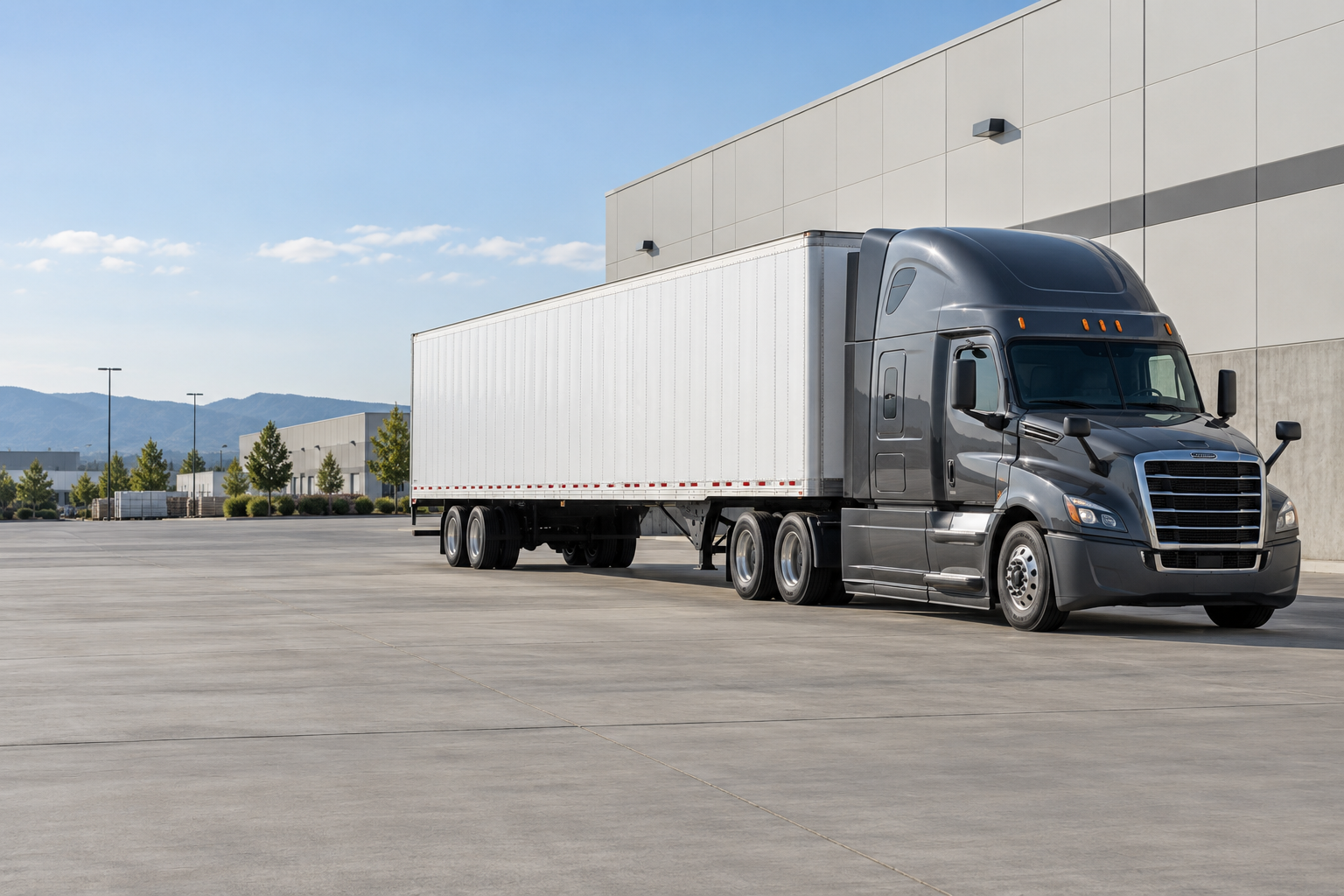
Enclosed trailer transportation for palletized and packaged general commodity freight.
Explore ↗Domestic Freight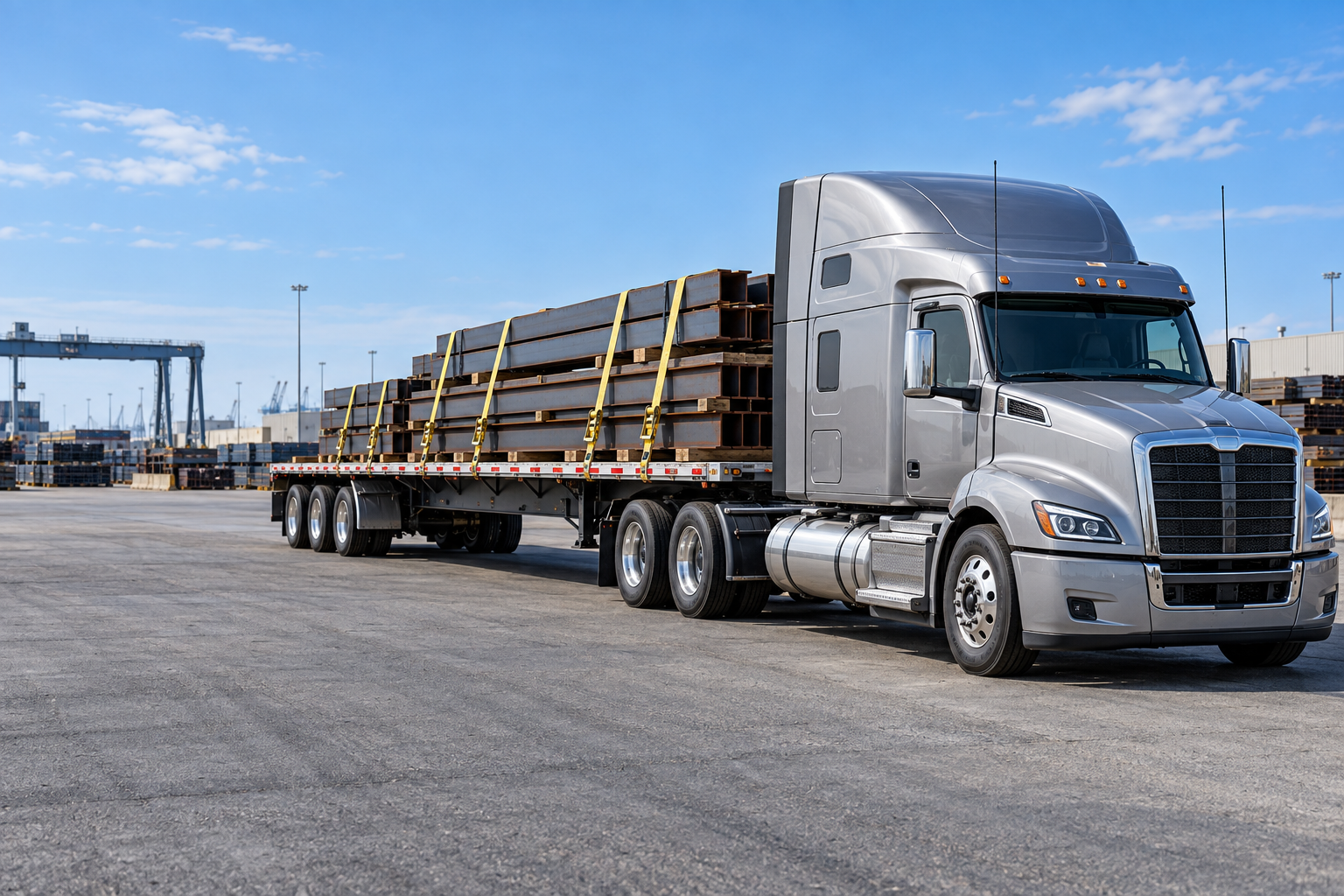
Open-deck transportation for oversized, irregular and specialized freight requirements.
Explore ↗Domestic Freight
Freight coordination for urgent shipments with time-critical pickup and delivery requirements.
Explore ↗Let’s move forward
Tell us what you are shipping, its required transportation conditions and the pickup and delivery schedule. Prisma Freight can help coordinate the next steps for your refrigerated freight.