Right-sized capacity
Move freight without dedicating an entire trailer to a shipment that only needs part of the available space.
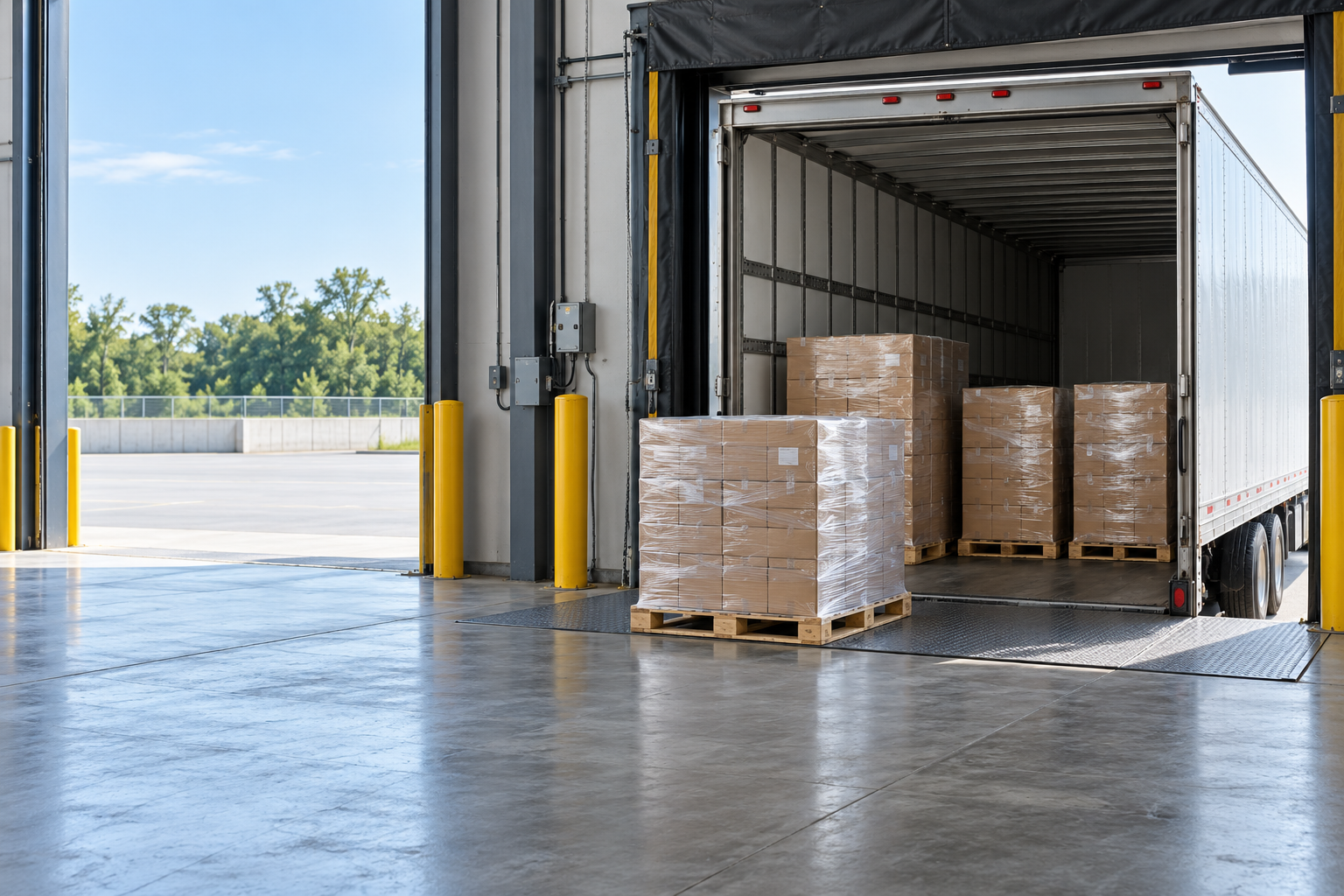
DOMESTIC FREIGHT
Move palletized freight without paying for trailer space you don't need. Less Than Truckload gives smaller shipments access to shared capacity while Prisma Freight helps coordinate the details that keep them moving.
Less Than Truckload (LTL)
Not every shipment needs its own trailer. Less Than Truckload (LTL) freight services combine freight from multiple shippers within a carrier network, making it a practical option for palletized shipments that use only part of the available trailer space.
Successful LTL shipping, however, depends on getting the details right before freight moves. Dimensions, weight, freight classification, packaging, accessorial requirements and pickup or delivery conditions can all affect how a shipment is handled and priced.
Prisma Freight helps bring those details together before the freight enters the network, giving your team a clearer transportation plan from the start.
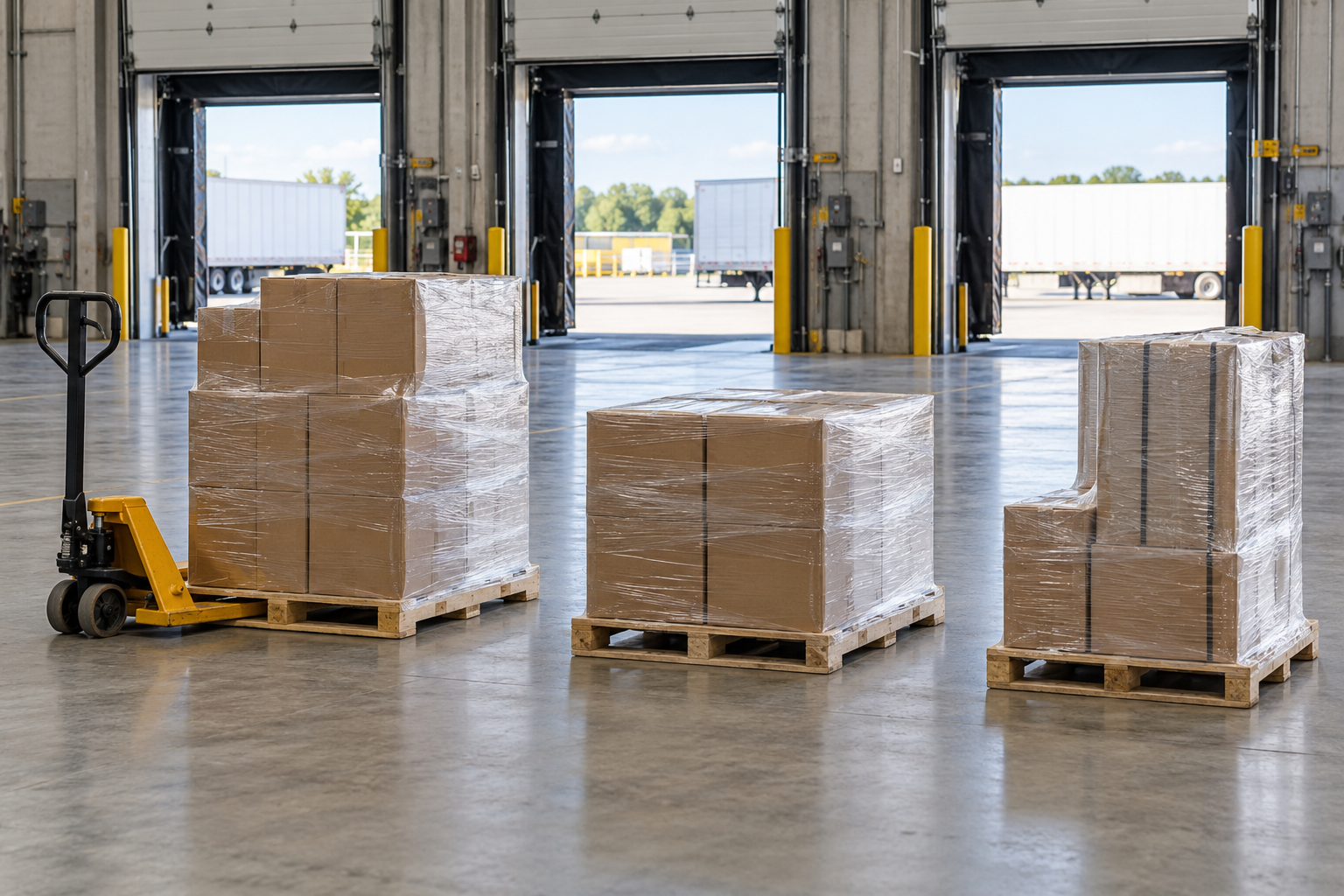
Move freight without dedicating an entire trailer to a shipment that only needs part of the available space.
LTL provides a flexible transportation option for smaller palletized shipments moving through established carrier networks.
Pickup, delivery and accessorial requirements can be coordinated around the needs of the shipment and its locations.
LTL can be a strong fit when palletized freight uses only a portion of a trailer and does not require dedicated truckload capacity.
Shipments moving between commercial locations, distribution facilities and other LTL-accessible points can take advantage of shared carrier capacity.
Transit expectations, handling, freight class and pickup or delivery requirements should all be considered when deciding whether LTL is the right fit.
Pallet count, dimensions, weight, commodity and freight classification help determine how the shipment is quoted and moves through the LTL network.
Dock availability, business hours, appointments and location conditions should be identified before the shipment is scheduled.
Liftgate service, limited-access locations and other special requirements should be communicated upfront to avoid surprises during pickup or delivery.
Send us the origin, destination, commodity, pallet count, dimensions, weight and requested timing.
We review freight classification and identify pickup, delivery or accessorial requirements that may affect the shipment.
Once the transportation plan is confirmed, we coordinate the shipment's pickup and entry into the LTL carrier network.
Prisma Freight stays connected to the move through delivery, helping your team keep track of the shipment along the way.
LTL service availability depends on the origin, destination, shipment profile and carrier network. Prisma Freight reviews your locations, transit expectations and pickup and delivery requirements before coordinating the transportation approach.
Share dock access, appointments and any accessorial needs when planning the lane so the shipment can be evaluated against the available service.
Smaller retail replenishment orders, consumer goods and manufacturing supplies can fit LTL when dedicated trailer capacity is unnecessary. Health and beauty businesses may use shared capacity for palletized packaging or finished products, depending on handling and shipment requirements.
Explore Health & Beauty freightStay connected to the people coordinating your freight, with clearer communication from planning through delivery.
We bring shipment details, carrier requirements and pickup and delivery needs together before the freight moves.
Our involvement doesn't stop once the freight is picked up. We remain connected as the shipment moves toward its destination.
Best suited to smaller freight volumes that do not require an entire trailer. Multiple shipments share carrier capacity as freight moves through the LTL network.
Dedicated trailer capacity can make more sense for larger shipments, freight that benefits from fewer handling points, or loads with specific equipment and timing requirements.
Explore full truckloadFAQ
Provide the origin, destination, commodity, pallet count, exact packaged dimensions and total weight. Include the freight class or NMFC item when available, requested dates, dock access and any appointments, liftgate or limited-access requirements.
Dimensions and weight help establish shipment density, an important classification factor. Handling, stowability and commodity-specific requirements can also matter. Use accurate measurements, including packaging, and confirm the applicable classification rather than relying on density alone.
Consider full truckload when freight uses most of a trailer, needs dedicated capacity or benefits from fewer handling points. For smaller palletized shipments, LTL may be more practical. Compare volume, handling needs and timing before choosing.
Continue exploring

When your shipment needs the space and focus of a dedicated trailer, Full Truckload keeps freight moving directly from pickup to destination with fewer handling points along the way.
Explore ↗Domestic Freight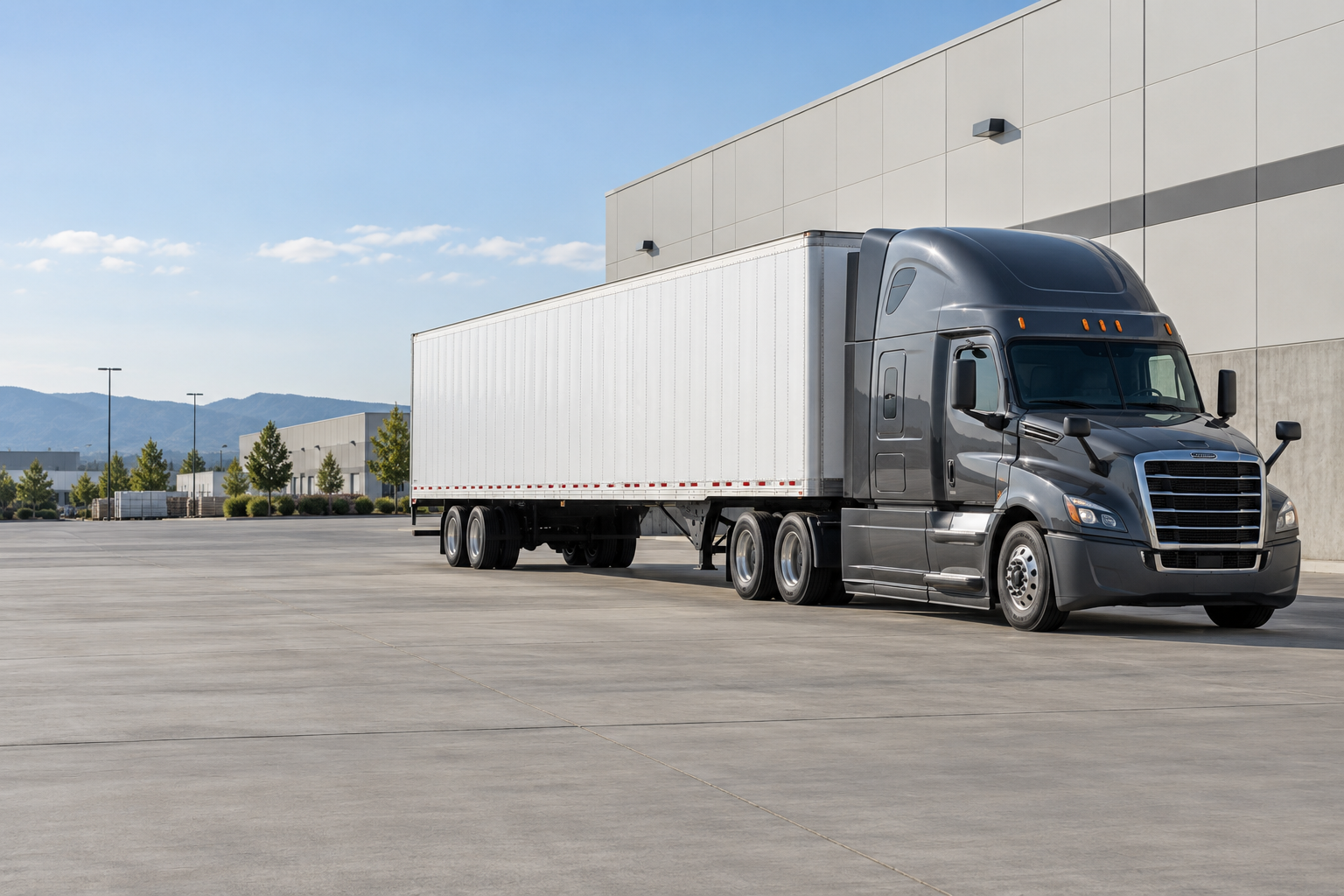
Enclosed trailer transportation for palletized and packaged general commodity freight.
Explore ↗Domestic Freight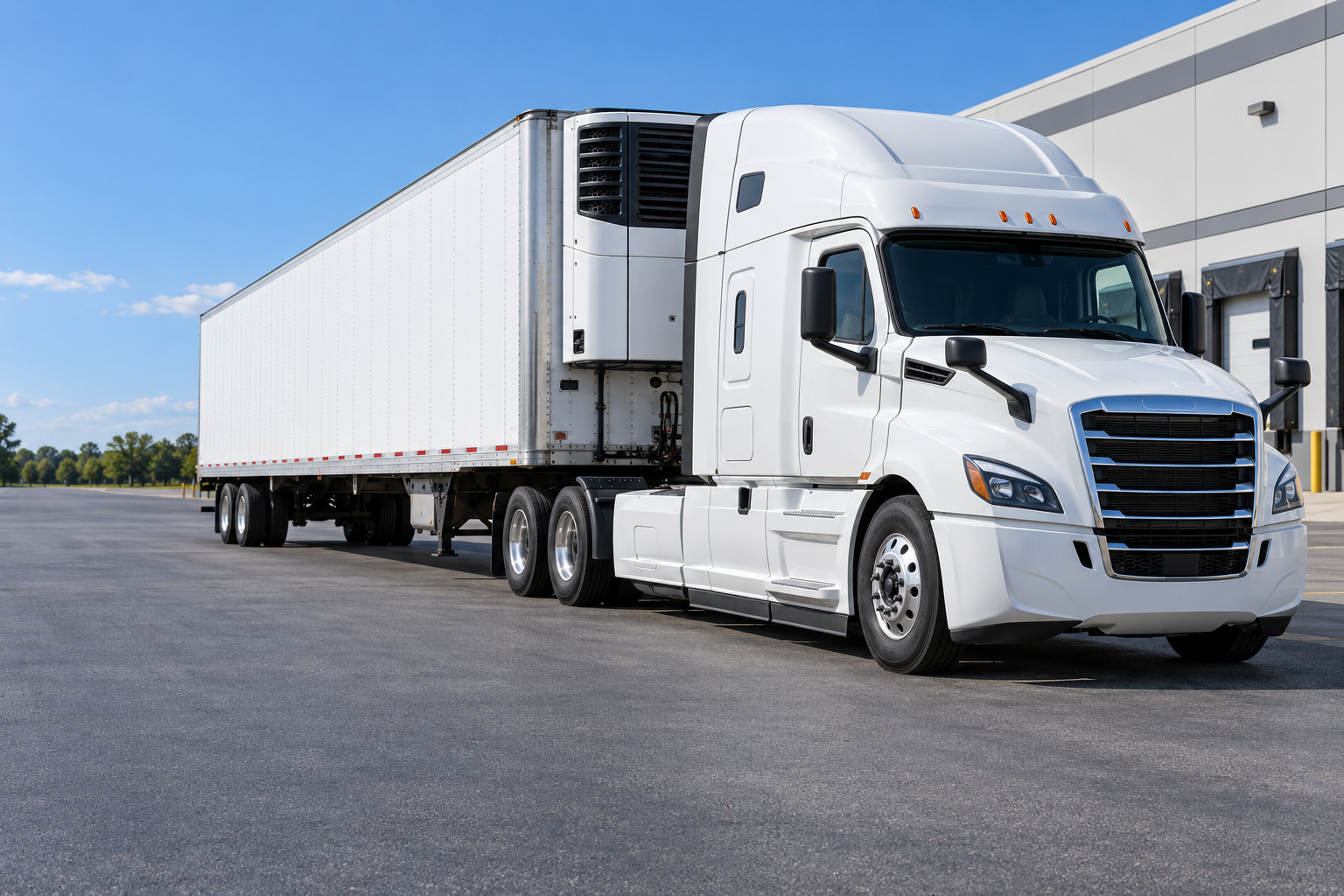
Refrigerated and temperature-controlled transportation planned around your shipment’s requirements.
Explore ↗Domestic Freight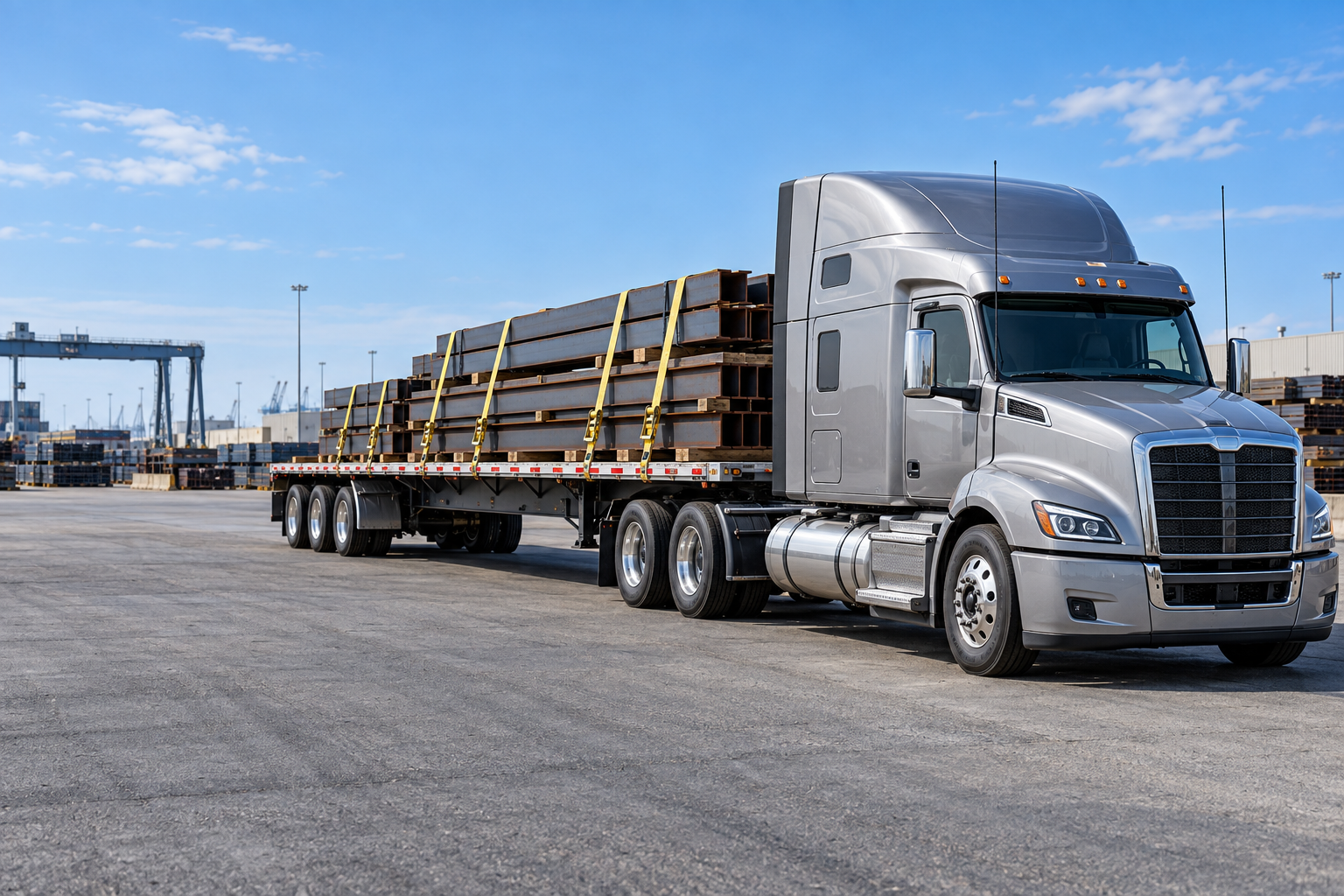
Open-deck transportation for oversized, irregular and specialized freight requirements.
Explore ↗Domestic Freight
Freight coordination for urgent shipments with time-critical pickup and delivery requirements.
Explore ↗Let’s move forward
Send the pallet count, packaged dimensions, weight and pickup and delivery requirements. Prisma Freight can help coordinate an LTL plan around your shipment.